









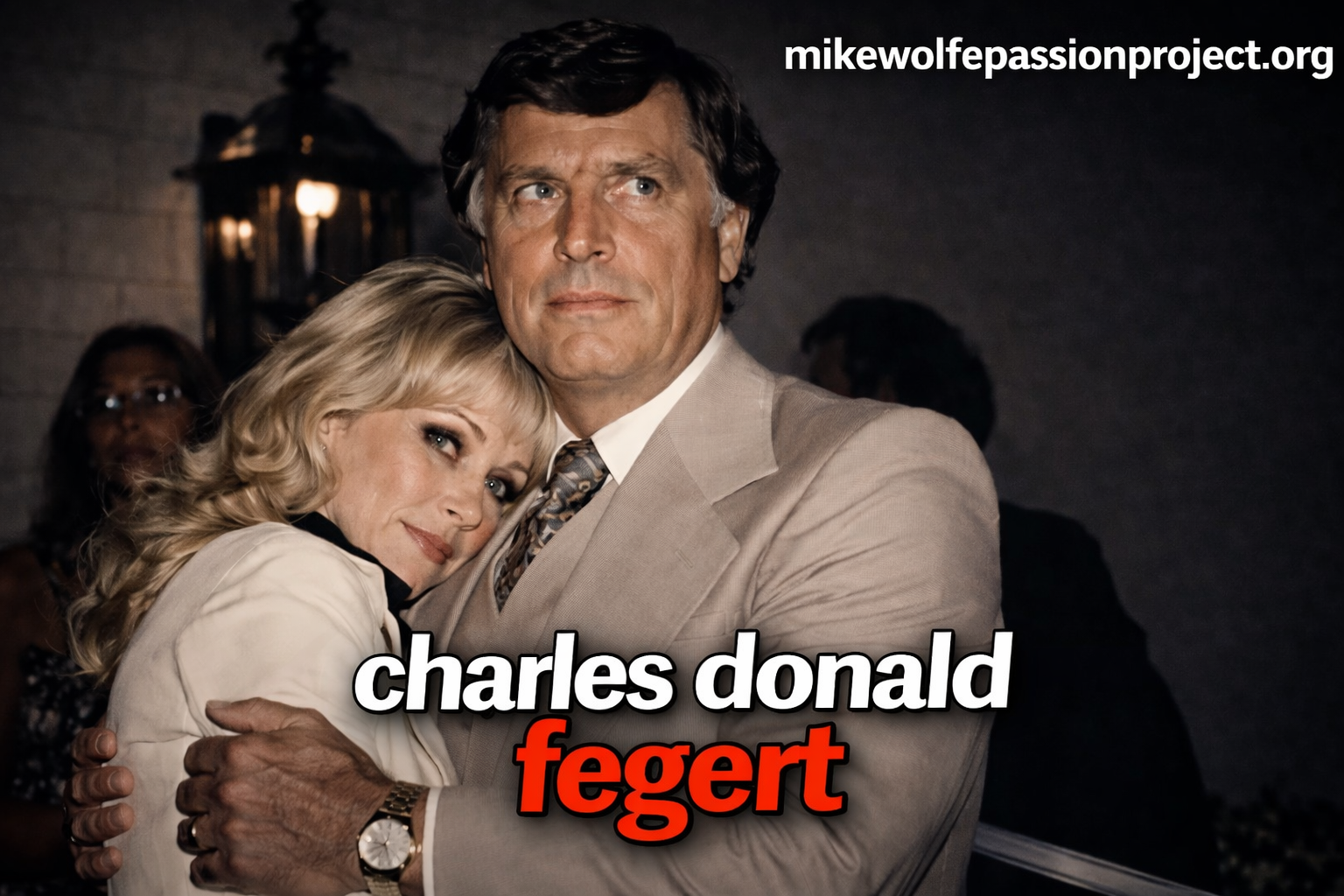
Charles Donald Fegert was a respected American advertising executive whose professional achievements shaped newspaper marketing during a transformative period in media history. Though widely recognized because of his marriage to actress Barbara Eden, Fegert built his own identity long before and after that relationship. His leadership at the Chicago Sun-Times helped redefine advertising strategy at a time when print journalism faced growing competition from television and shifting consumer habits.
Born and raised in Chicago, Fegert rose from modest beginnings to hold one of the most influential marketing positions in the city’s media landscape. His ability to blend creativity with business strategy earned him recognition among peers and advertisers alike. While public attention often focused on his personal life, his lasting contribution remains rooted in his forward-thinking approach to advertising, his entrepreneurial ventures, and his dedication to professional excellence.
Biography Overview and Personal Profile
| Personal Detail | Information |
|---|---|
| Full Name | Charles Donald Fegert |
| Common Name | Chuck Fegert |
| Year of Birth | 1930 |
| Birthplace | Chicago, Illinois, United States |
| Year of Death | 2002 |
| Age at Passing | 71 years |
| Nationality | American |
| Profession | Advertising Executive |
| Senior Role | Vice President of Advertising & Marketing at Chicago Sun-Times |
| Education | South Shore High School; Loyola University Chicago (Class of 1955) |
| Known For | Modernizing newspaper advertising strategies |
| Marital Status | Divorced (Barbara Eden, 1977–1982) |
| Children | Three (two sons and one daughter) |
| Primary Residence | Chicago, Illinois |
| Estimated Net Worth | Multi-million dollar range (unconfirmed publicly) |
| Industry Reputation | Strategic thinker and marketing innovator |
Formative Years in Chicago
Charles Donald Fegert was born in 1930 on Chicago’s South Side, an area known for its strong working-class communities. Growing up during the aftermath of the Great Depression and the challenges of World War II, he witnessed firsthand the value of perseverance and disciplined effort. His father worked in the steel industry, instilling in him a practical understanding of responsibility and determination.
Life in a close-knit Chicago neighborhood shaped Fegert’s sense of community and ambition. From an early age, he understood that success required both resilience and initiative. During his time at South Shore High School, he demonstrated leadership qualities and a keen interest in communication—traits that would later define his career in advertising and media.
Academic Path and Professional Preparation
After completing high school, Fegert enrolled at Loyola University Chicago, a Jesuit institution recognized for its strong emphasis on ethics and intellectual discipline. He graduated in 1955, having developed a foundation in business principles and communication strategies.
Balancing part-time work with his academic commitments, Fegert demonstrated the work ethic that would characterize his entire professional life. Loyola’s focus on integrity and service influenced his leadership style, reinforcing the importance of accountability and strategic thinking. His education provided both theoretical knowledge and the confidence necessary to navigate the competitive advertising world.
Professional Growth in the Newspaper Industry
Entry into Advertising at the Chicago Sun-Times
Fegert began his career in the 1950s as an advertising salesman at the Chicago Sun-Times. At that time, newspapers were central to American life, serving as the primary source of news and advertising. Rather than simply selling advertising space, Fegert approached clients with customized strategies designed to maximize impact.
His understanding of consumer psychology set him apart. He recognized that effective advertising required more than placement—it required storytelling and audience engagement. By helping clients craft compelling campaigns, he strengthened long-term relationships and improved the paper’s advertising performance.
Advancement to Executive Leadership
Through consistent results and innovative thinking, Fegert rose to become Vice President of Advertising and Marketing at the Chicago Sun-Times. In this executive position, he introduced integrated marketing campaigns that aligned editorial themes with advertising objectives.
During the rise of television in the 1960s and 1970s, many newspapers struggled to maintain advertising revenue. Fegert responded by modernizing promotional tactics, developing collaborative campaigns, and strengthening ties with major regional businesses. His leadership allowed the publication to remain competitive in an evolving media environment.
Entrepreneurial Expansion Beyond Media
In addition to his newspaper career, Fegert invested in real estate and business consulting. His expertise in branding and negotiation translated effectively into property development and advisory roles. These ventures diversified his income and demonstrated his adaptability.
By applying advertising principles to broader business operations, he reinforced his reputation as a strategic thinker. His entrepreneurial mindset ensured financial stability and reflected his commitment to long-term growth.
Marriage to Barbara Eden
Charles Donald Fegert’s personal life gained national attention through his marriage to Barbara Eden, celebrated for her starring role in I Dream of Jeannie. The couple met in 1974 while Eden was performing in Chicago. Their relationship progressed quickly, and they married on September 3, 1977.
At the time of their marriage, Eden was already a widely recognized television star. Their union attracted media coverage, blending Hollywood fame with Chicago business prominence. However, despite initial affection and shared interests, the marriage faced personal difficulties. The couple divorced in 1982 after five years together.
Although the relationship ended, Fegert was described as intelligent and charismatic. The marriage remains a notable chapter in his biography, but it does not overshadow his professional accomplishments.
Family Responsibilities and Private Life
Before marrying Barbara Eden, Fegert had three children from previous relationships. He maintained close connections with his two sons and daughter, emphasizing education and responsibility. Despite the demands of executive leadership, he prioritized family involvement.
Colleagues described him as disciplined yet personable, balancing ambition with loyalty. He avoided excessive public exposure and sought to protect his children from media scrutiny during his high-profile marriage.
Financial Standing and Career Earnings
While exact financial details were never publicly disclosed, Fegert accumulated substantial wealth throughout his career. His executive salary at the Chicago Sun-Times, combined with strategic real estate investments, placed his net worth in the multi-million dollar range.
Below is a breakdown of his primary income sources:
| Income Source | Description | Financial Impact |
|---|---|---|
| Executive Salary | Compensation as Vice President of Advertising & Marketing | Primary income stream |
| Performance Bonuses | Incentives tied to advertising revenue growth | Significant supplemental earnings |
| Real Estate Investments | Property acquisitions and development projects | Long-term wealth accumulation |
| Consulting Work | Advisory services for businesses and advertisers | Additional income post-retirement |
| Strategic Partnerships | Business collaborations and marketing ventures | Diversified financial portfolio |
His diversified investments reflect a cautious yet forward-looking financial strategy.
Later Years and Professional Mentorship
In his later years, Fegert transitioned from executive management to advisory roles. He remained active in Chicago’s business circles, offering guidance to younger professionals entering advertising and marketing.
Although he stepped back from public visibility, he continued contributing insights drawn from decades of experience. His professional legacy remained influential within the newspaper and advertising communities.
Charles Donald Fegert passed away in 2002 at the age of 71. His death marked the conclusion of a career defined by innovation and steady leadership.
Influence on Newspaper Marketing
Fegert’s most enduring contribution lies in how he modernized advertising within print media. His strategies emphasized:
- Integrated marketing campaigns
- Long-term advertiser relationships
- Audience-focused messaging
- Cross-department collaboration
- Strategic adaptation to television competition
These approaches helped newspapers remain viable during a period of rapid change. His leadership demonstrated that adaptability and creativity could sustain traditional media businesses.
Enduring Recognition and Cultural References
Though he maintained a relatively private profile, Fegert’s name occasionally appears in discussions of Chicago media history and in references to Barbara Eden’s life story. Within professional circles, he is remembered as a disciplined negotiator and forward-thinking executive.
His story illustrates how business leaders can shape industries behind the scenes, even when public recognition centers elsewhere.
Noteworthy Details About Charles Donald Fegert
- He financed part of his university education through part-time employment.
- He was known for persistent client engagement and strong negotiation skills.
- During his courtship with Barbara Eden, he reportedly sent flowers regularly as a romantic gesture.
- He remained loyal to Chicago throughout his life and career.
- He mentored young advertising professionals even after retirement.
Conclusion
Charles Donald Fegert’s life reflects ambition rooted in discipline and innovation. From his early days in Chicago to his executive leadership at the Chicago Sun-Times, he demonstrated how strategic thinking can influence an entire industry. While public interest often highlights his marriage to Barbara Eden, his professional achievements stand independently.
His ability to modernize advertising practices during a challenging era for print journalism ensured his place in Chicago’s media history. Through creativity, business insight, and perseverance, Charles Donald Fegert built a legacy that extends beyond celebrity association and remains relevant in discussions of media evolution.
Frequently Asked Questions
Who was Charles Donald Fegert?
Charles Donald Fegert was an American advertising executive who served as Vice President of Advertising and Marketing at the Chicago Sun-Times and contributed significantly to newspaper marketing strategies.
What position did he hold at the Chicago Sun-Times?
He advanced from advertising salesman to Vice President of Advertising and Marketing, overseeing major revenue and promotional strategies.
Was he married to Barbara Eden?
Yes, he married actress Barbara Eden in 1977, and they divorced in 1982.
How many children did he have?
He had three children—two sons and one daughter—from earlier relationships.
What was his educational background?
He attended South Shore High School and graduated from Loyola University Chicago in 1955.
What was his estimated net worth?
Although not publicly confirmed, his wealth was estimated to be in the millions due to his executive earnings and real estate investments.
When did Charles Donald Fegert pass away?
He died in 2002 at the age of 71.
What is his professional legacy?
He is remembered for modernizing newspaper advertising practices and strengthening marketing innovation within print media.