









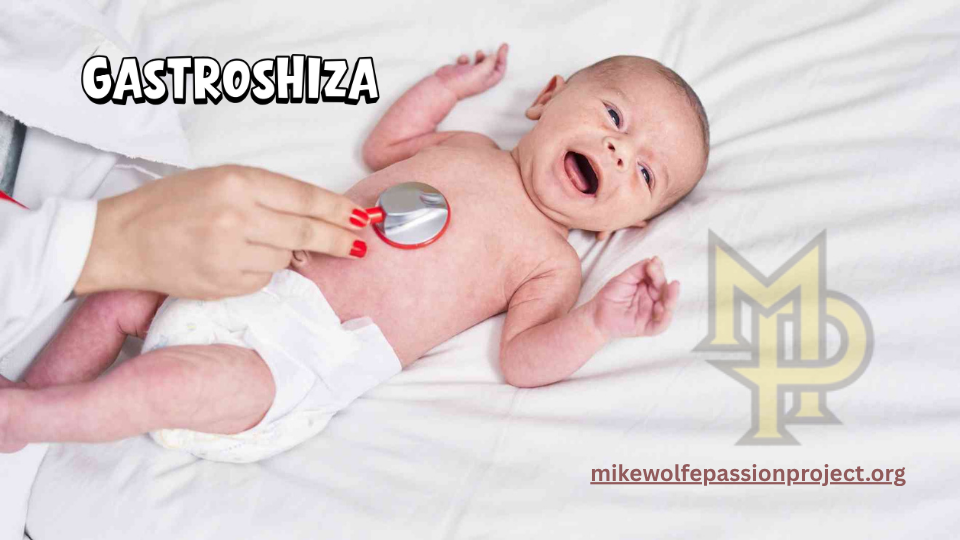
Introduction: A Tiny Opening, a Lifetime of Strength
In the soft glow of a delivery room, where the air hums with anticipation and the first cries pierce the quiet, few moments unfold with more raw vulnerability than the arrival of a baby with gastroshiza. This rare congenital condition, marked by a small defect in the abdominal wall that allows intestines to slip outside the body unprotected, isn’t just a medical term—it’s a profound chapter in a family’s story of resilience and renewal. As we stand in 2025, with prenatal imaging sharper than ever and neonatal care a symphony of science and compassion, gastroshiza reminds us that even the most delicate starts can bloom into extraordinary lives.
Picture a young mother, her hand trembling on her belly during a routine ultrasound, learning of this unexpected twist. Or the neonatal team, wrapping the exposed bowels in a gentle silo bag, buying precious time for surgery. Gastroshiza, often detected mid-pregnancy, affects about 1 in 2,000 to 4,000 births worldwide, striking without warning and demanding swift, skilled intervention. Yet, amid the challenges, stories of triumph abound—babies who, once stabilized, chase siblings across playgrounds, their scars faint badges of bravery. Drawing from medical insights and heartfelt narratives, this exploration demystifies gastroshiza: its subtle origins, the heroic hurdles of treatment, the joyous journeys of recovery, and the hopeful horizons ahead. For expectant parents navigating uncertainty, healthcare heroes on the frontlines, or anyone touched by tales of tenacity, gastroshiza isn’t a verdict—it’s a vivid testament to human spirit, where a small opening leads to boundless possibility. Let’s walk this path together, with empathy as our guide and knowledge as our light.
Unraveling the Mystery: What Gastroshiza Really Entails
The Anatomy of a Gentle Flaw: Defining the Defect
At its core, gastroshiza is a birth defect where the abdominal wall fails to fully form, creating a modest opening—typically to the right of the navel—through which a portion of the intestines, and occasionally the stomach or other organs, protrude. Unlike its close cousin omphalocele, which encases the herniated contents in a thin, protective sac, gastroshiza leaves these vital loops exposed to the amniotic fluid in utero and the outside world at birth. This vulnerability sets it apart, making the condition a delicate dance between exposure and protection from the very start.
First described in medical literature in the 19th century, gastroshiza manifests visibly right after delivery: a reddish, glistening coil of bowel floating beside the infant’s belly, often 2 to 5 centimeters in diameter. It’s not painful for the newborn, but the sight can jolt parents into a whirlwind of worry. “Gastroschisis is a congenital disability in which an infant’s abdominal wall has an opening near the belly button,” as one expert resource aptly puts it, underscoring its precise yet poignant nature. This defect arises during early fetal development, around weeks 4 to 10, when the abdominal cavity should knit seamlessly. Instead, a small gap persists, allowing organs to wander outward—a quirk of embryology that, while rare, reshapes the trajectory of care from the first breath.
Echoes of Uncertainty: The Enigmatic Roots of Gastroshiza
Pinpointing gastroshiza’s origins remains one of medicine’s tantalizing puzzles, with no single culprit but a constellation of suspects. Researchers lean toward a blend of genetic vulnerabilities and environmental nudges, though most cases appear sporadically, without family history. Young maternal age—particularly under 20—emerges as a striking risk factor, with incidence rates climbing fourfold in this group compared to older mothers. First-time pregnancies, low body mass index, and limited prenatal checkups compound the odds, painting a picture of vulnerability tied to life’s early chapters.
Environmental whispers add intrigue: Exposure to tobacco smoke, alcohol, recreational drugs, or certain chemicals during those critical first trimesters may disrupt fetal wall formation. Poor nutrition, including deficiencies in folic acid, echoes concerns from neural tube defect studies, though links to gastroshiza are less ironclad. “The exact cause of gastroschisis remains unknown, but researchers have identified potential risk factors linked to both genetics and environmental influences,” notes a comprehensive overview, highlighting ongoing genomic hunts for elusive mutations. In regions with rising teen pregnancies or lax public health measures, gastroshiza clusters, underscoring how social fabrics weave into biological fates. Yet, for many families, it arrives unbidden—a random ripple in the gene pool, inviting not blame but bolstered support systems.
Detection’s Gentle Vigil: Spotting Gastroshiza Before Birth
Ultrasound’s Unveiling: The Second Trimester Spotlight
In today’s toolkit of tender vigilance, the ultrasound reigns as gastroshiza’s early sentinel, often revealing its presence between weeks 18 and 22 of pregnancy. What parents might see as a routine “anatomy scan” becomes a pivotal pause: the technician’s gaze lingering on the belly, spotting those telltale loops swirling freely outside the abdominal silhouette. Advanced 3D imaging adds clarity, mapping the bowel’s extent and checking for twists or thickenings that signal complications.
This prenatal peek isn’t foolproof—early scans might miss it, and false positives stir needless nerves—but its accuracy hovers near 90%, empowering teams to plan. Maternal-fetal medicine specialists step in, orchestrating a choreography of care: More frequent sonograms to track fetal growth, amniotic fluid levels, and organ health. For the family, it’s a whirlwind of consultations, where joy mingles with queries: “What does this mean for delivery? For our baby?” Early detection flips the script from crisis to choreography, allowing C-section considerations if bowels tangle too tightly.
Beyond the Screen: Lab and Lifestyle Layers
Complementing the visual is a lab-led lens: Maternal blood tests for alpha-fetoprotein spikes, a marker hinting at abdominal wall woes, though not gastroshiza-specific. Genetic counseling weaves in, offering amniocentesis for chromosomal insights, though gastroshiza rarely ties to broad syndromes. Lifestyle audits follow—smoking cessation programs, nutritional nudges toward folate-rich foods—bridging detection with prevention’s promise.
These layers layer hope: Families armed with knowledge knit support nets, from online forums to hospital tours. As one parent reflected in a shared story, “That ultrasound wasn’t a shock; it was our starting line.” In 2025’s empowered era, detection demystifies, turning “what if” into “we will.”
The Frontline Symphony: Diagnosis and Initial Care at Birth
Birth’s Careful Choreography: From Delivery to First Wrap
Delivery day dawns with deliberate grace for gastroshiza families—often via planned C-section to cradle the exposed bowels, minimizing amniotic fluid’s final rinse. The neonatal team, gloved and gentle, acts in seamless synchrony: Immediate assessment under warming lights, then a sterile, saline-soaked dressing draped over the protrusion like a protective veil. No probing, no panic—just a custom silo bag, a clear plastic pouch that encases the intestines, gravity’s ally in easing them back inch by inch.
This initial hour is artful alchemy: IV lines for hydration, NG tubes for decompression, antibiotics to guard against infection’s shadow. The baby’s cries, though muffled by the bustle, affirm life’s tenacity. “With advancements in medical care, the condition is now far more manageable than in decades past,” affirms a neonatal guide, capturing the shift from historical high-stakes to today’s tuned precision. For parents, it’s a blur of beeps and briefings, fingers itching to touch but held back until stability sings.
Severity’s Spectrum: Simple Versus Complex Crossroads
Gastroshiza isn’t monolithic; it shades from simple to complex, guiding the care cascade. Simple cases—about 80%—feature unscarred, untwisted bowels, ripe for swift surgery within days. Complex variants, with atresia (blockages), necrosis from in-utero irritation, or volvulus (twists), demand detective work: X-rays and echoes probing for pitfalls, potentially extending NICU stays to weeks or months.
This spectrum sorts strategies: Simple silos shrink over 3-7 days, priming for closure; complex kin cue staged repairs, with bowel resections if damaged loops linger. Parental primers prepare hearts: “Your baby’s complexity doesn’t define destiny,” counselors counsel, weaving stats—90% survival overall, dipping to 70% in severe cases—into stories of survival.
| Gastroshiza Type | Key Characteristics | Initial Management | Prognosis Snapshot |
| Simple | Intestines only, minimal inflammation | Silo + primary closure in 3-5 days | 95%+ full recovery; short NICU (1-2 weeks) |
| Complex | Atresia, necrosis, or additional defects | Staged silo, possible resection | 70-85% survival; extended NICU (4+ weeks) |
| Isolated | No other anomalies | Routine monitoring | Excellent long-term gut function |
| Syndromic | With heart/limb issues (rare, ~10%) | Multidisciplinary team | Tailored, vigilant follow-up |
This table traces the terrain, a roadmap for the road ahead.
Healing’s Heroic Arc: Surgical and Supportive Strategies
The Operating Room’s Quiet Courage: Closure and Care
Surgery steals the spotlight in gastroshiza’s saga—a meticulously timed procedure where tiny hands guide intestines home. For simple souls, primary closure sutures the gap within a week, the silo deflating like a sigh of relief. Surgeons sculpt space, ensuring the abdominal cavity—sometimes snug from underdevelopment—welcomes its wanderers without crush.
Complex cases compose a crescendo: Bowel inspections under loupes, snipping scarred segments, reconnecting with resilience. Laparoscopic whispers minimize scars, though open ops offer fuller views. Post-op, the NICU nestles the newbie: Ventilators if belly pressure pinches lungs, TPN (total parenteral nutrition) bypassing the gut until it gurgles ready. “The prognosis for babies born with gastroschisis has improved considerably thanks to modern medical techniques,” echoes a clinical chronicle, with survival soaring from 50% in the 1970s to near 90% today.
- Surgical Success Boosters:
- Pre-op bowel baths in the silo to soothe inflammation.
- Intra-op measurements ensuring cavity capacity.
- Post-op probiotics to populate the microbiome anew.
These steps stitch not just skin, but futures.
Nutritional Navigators: Feeding the Fragile Frontier
Feeding follows as gastroshiza’s gentle gatekeeper. Intestines, irritated by their amniotic adventure, may motile slowly, cueing cautious starts: Breast milk fortified or specialized formulas trickled via G-tube, escalating as outputs stabilize. Motility meds like erythromycin nudge peristalsis, while ostomy bags catch early effluents.
Long-haul, dietitians design digestive dances: Low-residue ramps to whole foods, watchful for malabsorption’s murmurs. Most outgrow tubes by six months, but some savor siloed successes—small, frequent feeds fostering fortitude. Parents partner here, pumping milk like lifelines, turning hospital pumps into home heroes.
Beyond the Belly: Emotional Echoes and Family Fortitude
Hearts in the Holding Pattern: Parental Passages
Gastroshiza’s gut punch lands heaviest on hearts—parents pacing NICU halls, screens beeping like distant drums. Shock yields to strategy sessions, where neonatologists narrate next steps and psychologists unpack the pall. “Consider the case of baby Alex, who thrived despite a complex gastroshiza diagnosis. His parents credit early diagnosis and a team of skilled doctors for his incredible recovery,” one narrative nurtures, a beacon in the blur.
Support blooms in blooms: Sibling storytimes to soften separations, partner pep talks to preserve partnerships. Financial fog—surgeries at $50,000+, NICU days at $5,000—fades with aid arsenals: March of Dimes grants, insurance advocates, crowdfunding kin. In this emotional estuary, vulnerability validates: Tears aren’t weakness; they’re the wellspring of warrior within.
Community Constellations: Lights for the Long Haul
No family forges alone—gastroshiza galaxies gather in online orbits, from Facebook factions to Reddit realms where “gastroschisis warriors” swap silo selfies and scar stories. Organizations like the Association of Gastro Infants light local lanes, offering playgroups and policy pushes for better prenatal parity.
Siblings shine too: Art therapies channeling “why me” into “we’re mighty.” Grandparents ground with gardens, metaphors for growth from grit. These constellations convert isolation to illumination, proving gastroshiza’s grip loosens in shared glow.
- Family Resilience Rituals:
- Daily gratitude journals, noting “today’s tiny triumph.”
- Virtual visits via secure streams, bridging bedside barriers.
- Milestone markers: “First full feed” feasts with favorite tunes.
Long-Term Lullabies: Thriving After the Trial
Developmental Dances: Milestones Met and Managed
Discharged denizens of the NICU dance toward developmental dawns, with most gastroshiza grads grooving on par by school age. Early hurdles—delayed feeds fostering failure-to-thrive flickers—fade with follow-ups: Pediatricians probing growth grids, therapists tuning tummy troubles. About 10-20% wrestle with GERD ghosts or hernia haunts, but interventions intervene seamlessly.
Cognitive curves? Largely uncurved, though complex cases cue close checks for subtle shadows. Sports? With surgeon’s nod, soccer stars score, their scars stories of strength. “Most children with gastroschisis go on to live healthy lives,” reassures a resource, a refrain ringing true in playground parades.
Lifelong Legacies: Health Horizons and Hopeful Habits
Adulthood arrives with asterisks—annual abdominal audits, mindful meals to mind motility—but legacies lean luminous. Fertility? Unaffected, though preconception chats chart courses. Fertility? Unaffected, though preconception chats chart courses. Emotional echoes linger: Some savor self-advocacy, others channel into charity circuits.
Habits honor the heritage: Folate-fueled futures, smoke-free spheres. In 2025’s wellness wave, gastroshiza alumni author apps for anomaly awareness, turning trials to touchstones.
Tomorrow’s Tender Threads: Research and Resilience Ahead
Genetic Frontiers: Unlocking Prevention’s Promise
Research rivets on roots: Genome-wide hunts for rogue genes, twin studies teasing environment’s edge. “By studying the genetic and environmental factors behind gastroshiza, scientists hope to identify prevention strategies,” envisions an outlook, with folic acid fortification frontiers and toxin-tracking trials. Prenatal pills? Personalized, perhaps, via polygenic risk scores.
Surgical sunrises: Tissue-engineered walls, 3D-printed patches promising scarless seals. Fetal fixes— in-utero closures—whisper on horizons, though ethics etch pauses.
Policy and Prevention: Weaving Wider Safety Nets
Public health pulses forward: Teen pregnancy pacts, prenatal parity pushes in underserved swaths. Global grids track trends—rising rates in low-resource lands demand equitable echoes. Families fuel this: Advocacy alliances amplifying voices, from Capitol corridors to clinic charters.
Conclusion: Gastroshiza’s Graceful Glow
Gastroshiza, with its small seam and vast stories, etches a narrative of nurture over neglect, fragility forging fortitude. From ultrasound’s unveiling to surgery’s symphony, NICU’s nest to neighborhood normalcy, it charts a course where challenges cradle character. Parents’ passages, teams’ tenacity, communities’ compassion—these threads tapestry triumph, turning a defect’s defect into destiny’s delight.
In 2025’s light, gastroshiza gleams as grace: A reminder that life’s littlest ones teach largest lessons, their openings invitations to openness. For every family facing this fork, may knowledge kindle courage, support surround like a silo’s shield, and futures unfold in fullness. Here’s to the gastroshiza guardians—babies bold, healers heartfelt, kin unbreakable—proving that even the most exposed beginnings birth the brightest bonds.
Frequently Asked Questions
What Exactly Is Gastroshiza, and How Does It Differ from Omphalocele?
Gastroshiza is a congenital abdominal wall defect where intestines protrude unprotected near the navel, unlike omphalocele’s sac-covered herniation, heightening vulnerability to irritation and infection.
What Causes Gastroshiza, and Can It Be Prevented?
Exact causes blend genetics and environment, with risks higher in young mothers or toxin exposures; prevention focuses on prenatal vitamins like folic acid, smoking cessation, and regular checkups.
How Is Gastroshiza Diagnosed During Pregnancy?
Typically via second-trimester ultrasound spotting bowel loops outside the abdomen, confirmed with follow-up scans and blood tests for markers like alpha-fetoprotein.
What Does Treatment for Gastroshiza Involve Right After Birth?
Immediate sterile wrapping in a silo bag, IV nutrition, and surgery—primary closure for simple cases or staged for complex—followed by NICU monitoring for feeding and growth.
What Are the Long-Term Outcomes for Babies with Gastroshiza?
Most thrive normally by school age, with 90% survival; some face feeding tweaks or hernias, but vigilant follow-up ensures healthy, active lives.
Where Can Families Find Support for Gastroshiza?
Connect with March of Dimes, online groups like Reddit’s r/gastroschisis, or local NICU networks for emotional, financial, and educational lifelines.