









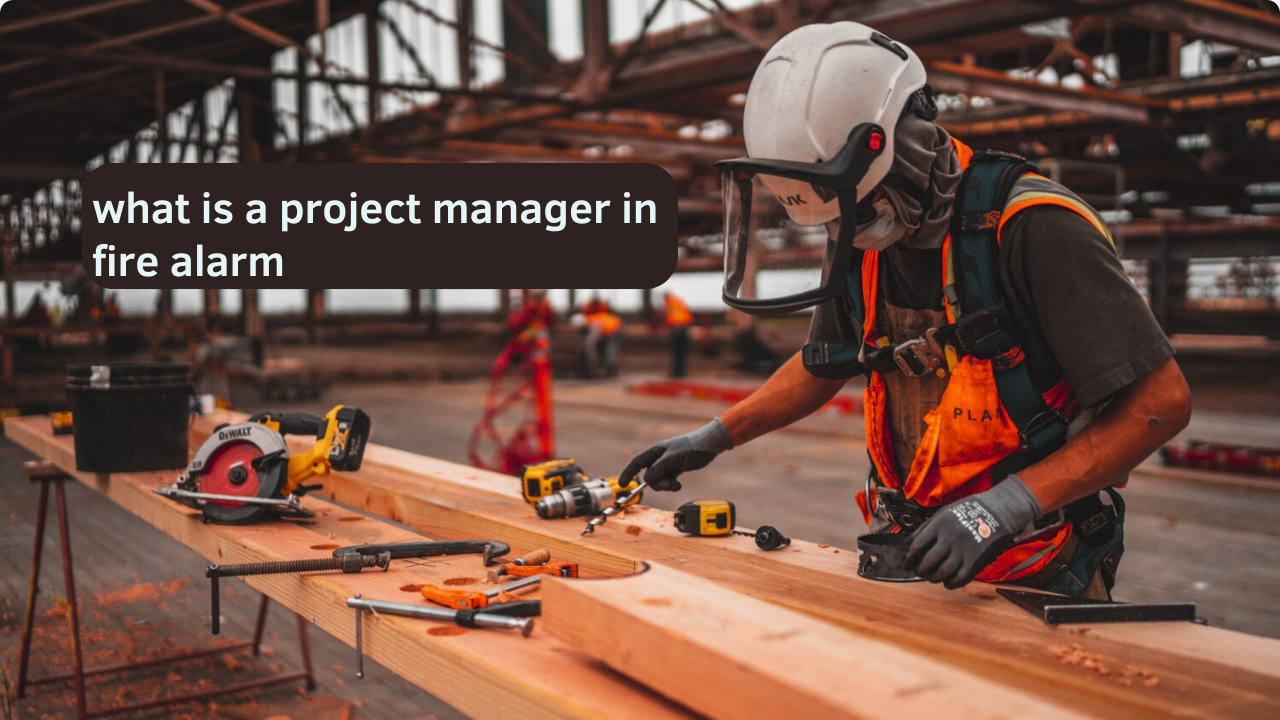
Fire safety remains one of the most critical issues in the construction industry, both during active building projects and in maintaining existing structures. Every year, construction-related fires cause millions of dollars in damages and, more importantly, put lives at risk. This makes fire prevention and risk mitigation an essential component of responsible project management. But who ensures these safety protocols are not only planned but consistently implemented? The responsibility often falls on the construction project manager. Their role in mitigating fire safety extends far beyond overseeing deadlines and budgets; it involves creating an environment where hazards are minimized, workers are educated, and compliance is strictly observed. Understanding what role construction project managers play to mitigate fire safety on construction sites or existing buildings is key to appreciating the depth of their responsibility and the impact they have on overall safety outcomes.
Understanding the Importance of Fire Safety in Construction
Construction sites are inherently vulnerable to fire hazards. With welding, electrical work, combustible materials, and temporary heating equipment frequently present, the risk of fire is significantly elevated compared to most work environments. Existing buildings undergoing renovation or maintenance can also face heightened risks, especially when systems such as sprinklers, alarms, or exits are temporarily compromised. Fire safety is not just about regulatory compliance; it is about protecting lives, property, and project investments. A single fire incident can derail timelines, inflate costs, damage reputations, and in the worst cases, result in injuries or fatalities. For this reason, fire safety has become a cornerstone of modern construction project management.
What Project Managers Actually Do to Mitigate Fire Risks
The role of construction project managers in fire safety is multifaceted. They function as planners, coordinators, enforcers, and educators all at once. Their responsibilities include:
- Identifying potential fire hazards early in the project lifecycle and integrating prevention measures into design and planning.
- Coordinating with fire safety professionals to ensure compliance with codes and standards.
- Developing fire safety plans that address evacuation routes, fire watch requirements, and emergency response procedures.
- Ensuring training and drills are conducted so that workers know what to do in case of an emergency.
- Monitoring ongoing compliance by regularly inspecting worksites and ensuring safe practices are upheld.
Through these measures, project managers serve as the link between strategy and execution when it comes to mitigating fire safety risks.
Risk Assessment and Hazard Identification
Before a project begins, a construction project manager must carry out a comprehensive fire risk assessment. This involves identifying where hazards may arise, whether from flammable storage, temporary wiring, or hot work processes. On existing buildings, assessments also consider the age of infrastructure, existing fire protection systems, and areas of high occupancy. By addressing these risks proactively, managers can implement effective control measures such as fire-resistant barriers, proper material storage, and safe equipment usage.
Implementing Fire Safety Policies and Procedures
Once risks are identified, project managers must create clear fire safety policies tailored to the project. These include emergency evacuation procedures, designated smoking areas, restrictions on hot work, and clear communication protocols. Policies must align with national fire safety regulations and building codes, but they should also be practical for daily operations. Effective communication is essential—workers, subcontractors, and site visitors must all understand the rules. Project managers often rely on signage, training sessions, and daily briefings to ensure these procedures are embedded into everyday routines.
Fire Safety Training and Awareness
Education is one of the strongest tools in fire risk mitigation. Project managers are responsible for ensuring that all employees are trained on fire safety basics such as identifying hazards, reporting unsafe practices, and using firefighting equipment like extinguishers. Training often includes:
- Fire drill exercises to practice evacuation procedures
- Instruction on how to handle flammable materials safely
- Guidelines for hot work safety, including welding and cutting
- Emergency communication protocols
This training is not a one-time exercise. Project managers schedule refresher sessions, especially when new hazards or workers are introduced to the site.
Monitoring Fire Prevention Systems
On both construction sites and existing buildings, project managers oversee the installation and functionality of fire prevention systems. This includes ensuring that alarms, sprinklers, fire extinguishers, and hydrants are accessible, tested, and operational at all times. In cases where existing systems are temporarily disabled due to construction work, managers arrange for fire watch patrols or temporary safety solutions. They also verify that escape routes remain unobstructed and that emergency lighting is maintained.
Bullet View: Specific Responsibilities of Project Managers
On Active Construction Sites:
- Enforcing safe storage for flammable materials
- Coordinating hot work permits and safety checks
- Scheduling inspections of temporary electrical setups
- Ensuring fire extinguishers are strategically placed
On Existing Buildings:
- Confirming that fire detection systems are tested and functional
- Managing tenant communication during renovation activities
- Coordinating with local fire departments for inspections
- Reducing risks when fire protection systems are offline
Coordination with Regulatory Bodies and Inspectors
Compliance is a critical part of fire safety. Construction project managers serve as the point of contact with local fire departments, safety inspectors, and building authorities. They ensure that all documentation, permits, and approvals are in place. Regular inspections are conducted not just to meet legal requirements but also to confirm that safety practices are consistently upheld. By fostering relationships with regulatory bodies, managers ensure projects remain in alignment with both legal standards and best practices.
Bullet View: Common Fire Hazards Project Managers Must Control
- Improper storage of fuels, paints, or solvents
- Overloaded electrical circuits from temporary setups
- Hot work without adequate supervision
- Blocked emergency exits or stairwells
- Lack of fire-resistant barriers in construction zones
- Smoking in unauthorized areas
By addressing these hazards systematically, project managers minimize the likelihood of a fire breaking out.
Challenges Project Managers Face in Fire Safety
Mitigating fire risks is not without challenges. Construction sites are dynamic environments where conditions change daily. New subcontractors may join without adequate training, materials may arrive late and disrupt storage plans, and weather conditions can increase certain risks, such as when temporary heaters are required in winter. Balancing these variables while keeping projects on schedule is a constant challenge for project managers. However, their ability to anticipate and adapt is what defines their effectiveness in maintaining safety.
The Impact of Effective Fire Safety Management
When fire safety is managed effectively, the benefits extend far beyond compliance. Project managers protect workers’ lives, reduce insurance claims, prevent costly delays, and safeguard company reputations. Moreover, proactive safety planning often enhances productivity because workers feel more secure and operations run more smoothly. In existing buildings, effective fire safety management also reassures occupants and reduces liability for owners and managers.
Frequently Asked Questions
Why is fire safety so critical in construction projects?
Construction sites have a high concentration of combustible materials and risky activities, making fire prevention vital for safety and continuity.
Do project managers personally conduct fire training?
They may not conduct all sessions themselves but are responsible for arranging proper training and ensuring attendance.
How do fire safety measures differ for existing buildings?
In existing structures, focus is placed on maintaining operational fire protection systems and ensuring safety during renovation work.
What happens if fire safety regulations are ignored?
Consequences may include fines, project shutdowns, lawsuits, and most critically, loss of life or property.
Conclusion
The role of construction project managers in mitigating fire safety risks on construction sites and existing buildings is both vital and multifaceted. They are not only tasked with delivering projects on time and within budget but also with safeguarding lives and property against one of the most devastating hazards in the industry. From conducting risk assessments and implementing safety policies to ensuring compliance and training, their influence extends across every stage of a project. Ultimately, their commitment to fire safety sets the standard for how responsibly and successfully a construction project is completed. By prioritizing prevention, coordination, and education, construction project managers serve as the frontline defenders against fire hazards in the built environment.