







Introduction
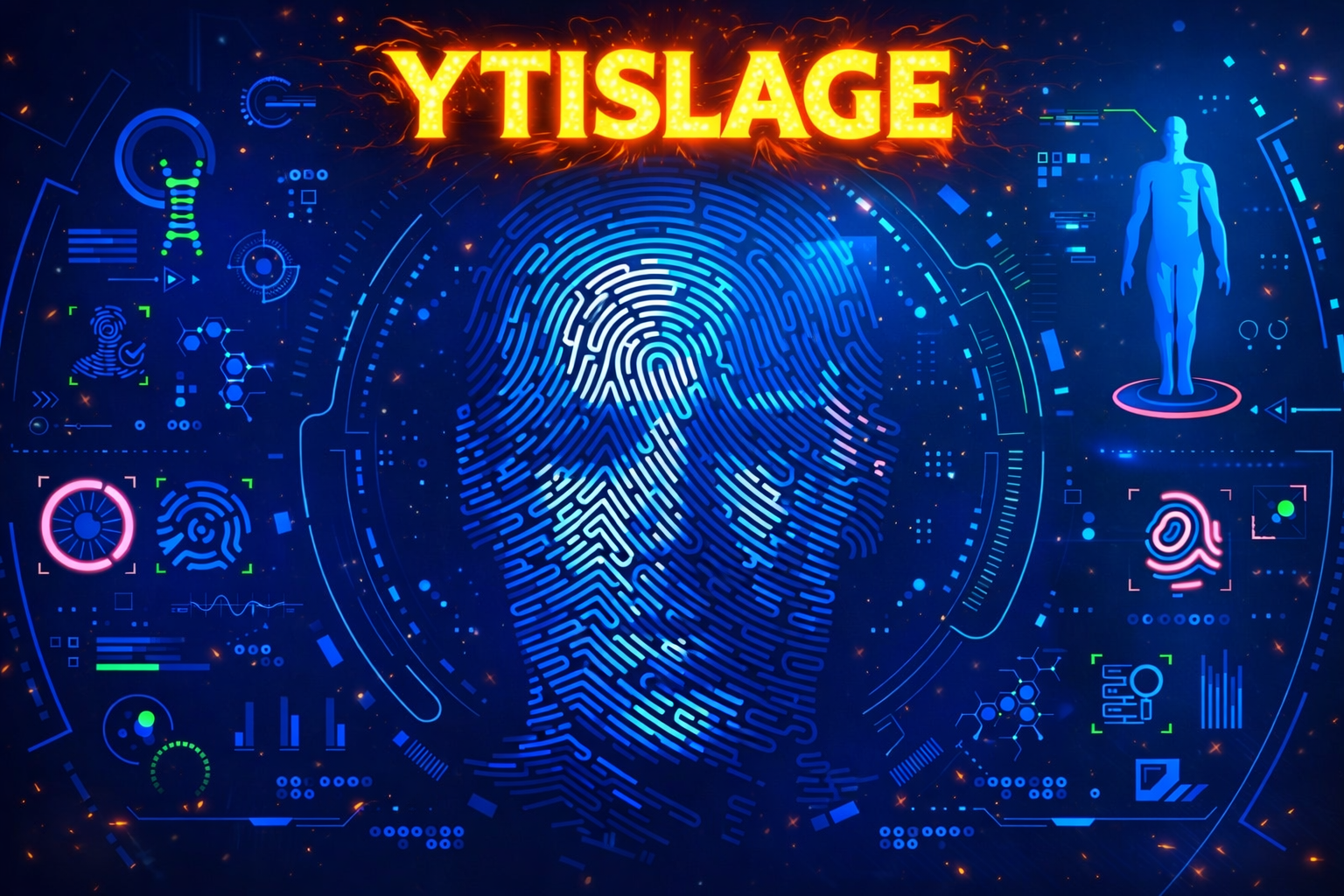
In the constantly shifting digital landscape, most trends fade as quickly as they appear. A few, however, spark deeper curiosity and begin shaping how people think, create, and innovate. One such concept steadily gaining attention across online forums, creative studios, and experimental tech spaces is ytislage. At first encounter, the word feels mysterious, even cryptic. Yet beneath that surface lies a powerful idea rooted in inversion, experimentation, and cultural evolution.
This article explores ytislage in depth, tracing its conceptual origins, philosophical foundations, real world influence, and growing relevance across industries. Rather than offering a rigid definition, it reveals why ytislage is resonating with those seeking new ways to challenge convention.
What Is Ytislage
Ytislage is not simply a term. It functions as a concept, a creative framework, and for some, a movement. Its meaning shifts slightly depending on context, but at its core, ytislage represents intentional reversal as a path to innovation.
Instead of building ideas in a linear or traditional way, ytislage encourages creators to flip assumptions, invert logic, and reconstruct meaning from the opposite direction. It treats inversion not as a trick, but as the central creative act.
Ytislage has been described as
• A design approach that begins by reversing expected outcomes
• A content philosophy that dismantles familiar ideas to uncover hidden layers
• A digital mindset that embraces disruption as a creative force
Across all interpretations, one principle remains consistent. Ytislage exists to break established patterns so new ones can emerge.
The Origin Story of Ytislage
The origins of ytislage are deeply tied to digital culture and linguistic play. Observant readers may notice that ytislage is egalsity spelled backward, a word often associated with balance, symmetry, and shared value. By reversing the term, ytislage embodies its own philosophy of reimagining meaning through inversion.
This practice of reversing language or structure is not new. Philosophers, avant garde artists, and experimental thinkers have long used inversion to challenge perception. What sets ytislage apart is its elevation of inversion from a technique to a foundation.
Rather than asking how to improve existing systems, ytislage asks what happens when the system itself is turned inside out.
Philosophical Foundations of Ytislage
Ytislage is not limited to digital aesthetics. It carries philosophical weight that appeals to thinkers exploring complexity, identity, and non linear systems.
It draws inspiration from ideas such as
• Deconstruction, where meaning is questioned rather than accepted
• Recursive logic, where outcomes influence their own origins
• Cybernetic feedback, where systems evolve through reversal and response
These influences make ytislage especially attractive to futurists, system designers, AI researchers, and creative theorists who work beyond binary thinking.
How Ytislage Is Reshaping Creative Industries
Creativity thrives on disruption, and ytislage introduces disruption with intention. Its influence can already be seen across multiple creative domains.
Digital Art and NFT Culture
In digital art spaces, especially within experimental NFT communities, ytislage has inspired creators to design works that are meant to be altered, inverted, or transformed by the audience. Instead of presenting a finished piece, artists offer dynamic creations that evolve through reversal.
Ownership becomes participation. Art becomes process rather than product.
Interface and Experience Design
In user interface and experience design, ytislage challenges standard navigation logic. Some designers now build interfaces that start at the end, revealing content backward and encouraging exploration rather than efficiency.
These designs treat interaction as narrative. Users are not guided step by step. They are invited to discover.
Storytelling and Narrative Media
Writers and filmmakers are adopting ytislage to disrupt traditional storytelling. Narratives may begin with conclusions and unravel toward origins, or present emotional inversions where joy appears bleak and sorrow feels luminous.
This contrast creates cognitive tension, pushing audiences to engage beyond surface visuals and question emotional assumptions.
Ytislage and Artificial Intelligence
Artificial intelligence provides fertile ground for ytislage experimentation. Because AI systems rely on patterns, probabilities, and feedback loops, inversion introduces powerful creative disruption.
Inversion Based Training Models
Some experimental models are trained on inverted language, emotion, or logic structures. Instead of learning direct meaning, the system learns contrast, irony, and subtext.
These early ytislage inspired AI experiments aim to generate outputs that challenge expectation rather than confirm it, opening new possibilities in generative creativity.
Real World Applications of Ytislage
Although ytislage may sound abstract, it is already influencing practical fields.
| Field | Ytislage Application |
| Education | Learning concepts by starting from outcomes |
| Product design | Building from emotional response backward |
| Game development | Reversing narrative progression |
| Branding | Defining identity through opposition |
In education, students explore subjects by understanding final concepts first. In product design, teams begin with the desired emotional reaction before building features. In gaming, players may start as powerful characters and descend into vulnerability. In branding, companies define themselves by what they intentionally reject.
Applying Ytislage in Creative Practice
Ytislage is not limited to experts. Anyone can experiment with its principles.
Start with the result before the process
Reverse standard workflows to reveal hidden assumptions
Introduce contradiction deliberately and observe the outcome
Allow audiences to reinterpret and reshape the work
Ytislage is most powerful when it becomes collaborative rather than controlled.
Is Ytislage the Future
Few concepts cross disciplines as naturally as ytislage. As digital environments become increasingly algorithmic and predictable, inversion offers a way to restore surprise, depth, and authenticity.
Ytislage does not reject structure entirely. It reframes structure by questioning its direction. In doing so, it opens space for originality in an era often defined by repetition.
Final Thoughts on Why Ytislage Matters
Ytislage represents a shift in how innovation is approached. It suggests that progress does not always move forward in straight lines. Sometimes, the most meaningful breakthroughs emerge when ideas are mirrored, reversed, or dismantled entirely.
In a world driven by speed and optimization, ytislage invites pause, reflection, and creative risk. It is not chaos for its own sake. It is intentional reversal, designed to uncover meaning where none seemed possible.
As digital culture continues to evolve, ytislage stands as a reminder that the future often begins by turning the present upside down.
Ytislage The Rising Digital Enigma of 2025
Introduction
In the constantly shifting digital landscape, most trends fade as quickly as they appear. A few, however, spark deeper curiosity and begin shaping how people think, create, and innovate. One such concept steadily gaining attention across online forums, creative studios, and experimental tech spaces is ytislage. At first encounter, the word feels mysterious, even cryptic. Yet beneath that surface lies a powerful idea rooted in inversion, experimentation, and cultural evolution.
This article explores ytislage in depth, tracing its conceptual origins, philosophical foundations, real world influence, and growing relevance across industries. Rather than offering a rigid definition, it reveals why ytislage is resonating with those seeking new ways to challenge convention.
What Is Ytislage
Ytislage is not simply a term. It functions as a concept, a creative framework, and for some, a movement. Its meaning shifts slightly depending on context, but at its core, ytislage represents intentional reversal as a path to innovation.
Instead of building ideas in a linear or traditional way, ytislage encourages creators to flip assumptions, invert logic, and reconstruct meaning from the opposite direction. It treats inversion not as a trick, but as the central creative act.
Ytislage has been described as
• A design approach that begins by reversing expected outcomes
• A content philosophy that dismantles familiar ideas to uncover hidden layers
• A digital mindset that embraces disruption as a creative force
Across all interpretations, one principle remains consistent. Ytislage exists to break established patterns so new ones can emerge.
The Origin Story of Ytislage
The origins of ytislage are deeply tied to digital culture and linguistic play. Observant readers may notice that ytislage is egalsity spelled backward, a word often associated with balance, symmetry, and shared value. By reversing the term, ytislage embodies its own philosophy of reimagining meaning through inversion.
This practice of reversing language or structure is not new. Philosophers, avant garde artists, and experimental thinkers have long used inversion to challenge perception. What sets ytislage apart is its elevation of inversion from a technique to a foundation.
Rather than asking how to improve existing systems, ytislage asks what happens when the system itself is turned inside out.
Philosophical Foundations of Ytislage
Ytislage is not limited to digital aesthetics. It carries philosophical weight that appeals to thinkers exploring complexity, identity, and non linear systems.
It draws inspiration from ideas such as
• Deconstruction, where meaning is questioned rather than accepted
• Recursive logic, where outcomes influence their own origins
• Cybernetic feedback, where systems evolve through reversal and response
These influences make ytislage especially attractive to futurists, system designers, AI researchers, and creative theorists who work beyond binary thinking.
How Ytislage Is Reshaping Creative Industries
Creativity thrives on disruption, and ytislage introduces disruption with intention. Its influence can already be seen across multiple creative domains.
Digital Art and NFT Culture
In digital art spaces, especially within experimental NFT communities, ytislage has inspired creators to design works that are meant to be altered, inverted, or transformed by the audience. Instead of presenting a finished piece, artists offer dynamic creations that evolve through reversal.
Ownership becomes participation. Art becomes process rather than product.
Interface and Experience Design
In user interface and experience design, ytislage challenges standard navigation logic. Some designers now build interfaces that start at the end, revealing content backward and encouraging exploration rather than efficiency.
These designs treat interaction as narrative. Users are not guided step by step. They are invited to discover.
Storytelling and Narrative Media
Writers and filmmakers are adopting ytislage to disrupt traditional storytelling. Narratives may begin with conclusions and unravel toward origins, or present emotional inversions where joy appears bleak and sorrow feels luminous.
This contrast creates cognitive tension, pushing audiences to engage beyond surface visuals and question emotional assumptions.
Ytislage and Artificial Intelligence
Artificial intelligence provides fertile ground for ytislage experimentation. Because AI systems rely on patterns, probabilities, and feedback loops, inversion introduces powerful creative disruption.
Inversion Based Training Models
Some experimental models are trained on inverted language, emotion, or logic structures. Instead of learning direct meaning, the system learns contrast, irony, and subtext.
These early ytislage inspired AI experiments aim to generate outputs that challenge expectation rather than confirm it, opening new possibilities in generative creativity.
Real World Applications of Ytislage
Although ytislage may sound abstract, it is already influencing practical fields.
| Field | Ytislage Application |
| Education | Learning concepts by starting from outcomes |
| Product design | Building from emotional response backward |
| Game development | Reversing narrative progression |
| Branding | Defining identity through opposition |
In education, students explore subjects by understanding final concepts first. In product design, teams begin with the desired emotional reaction before building features. In gaming, players may start as powerful characters and descend into vulnerability. In branding, companies define themselves by what they intentionally reject.
Applying Ytislage in Creative Practice
Ytislage is not limited to experts. Anyone can experiment with its principles.
Start with the result before the process
Reverse standard workflows to reveal hidden assumptions
Introduce contradiction deliberately and observe the outcome
Allow audiences to reinterpret and reshape the work
Ytislage is most powerful when it becomes collaborative rather than controlled.
Is Ytislage the Future
Few concepts cross disciplines as naturally as ytislage. As digital environments become increasingly algorithmic and predictable, inversion offers a way to restore surprise, depth, and authenticity.
Ytislage does not reject structure entirely. It reframes structure by questioning its direction. In doing so, it opens space for originality in an era often defined by repetition.
Final Thoughts on Why Ytislage Matters
Ytislage represents a shift in how innovation is approached. It suggests that progress does not always move forward in straight lines. Sometimes, the most meaningful breakthroughs emerge when ideas are mirrored, reversed, or dismantled entirely.
In a world driven by speed and optimization, ytislage invites pause, reflection, and creative risk. It is not chaos for its own sake. It is intentional reversal, designed to uncover meaning where none seemed possible.
As digital culture continues to evolve, ytislage stands as a reminder that the future often begins by turning the present upside down.